
History of Warroad
History of Warroad
Over 120 years of history
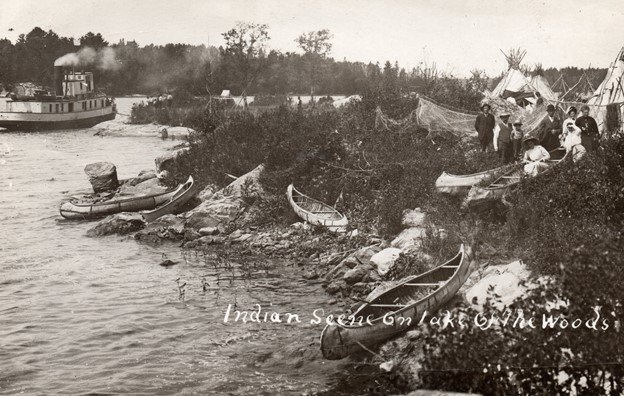
The first permanent white settlers to the region came at the end of the nineteenth century to claim land opened by the Homestead Act of 1862. The Chippewa in the region, commonly known as Ojibwe, held kinship and mutual respect as high priorities and welcomed many of the new settlers to the area.
The village of Warroad formed as a township in 1895 and was annexed into the larger Roseau County in 1896. The move from township to an official city occurred on November 9, 1901.
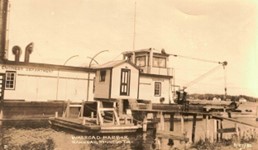
Over many decades, the village of Warroad saw the rise of many successful enterprises. Access to Lake of the Woods made Warroad a hotspot for commercial fishing throughout the year. Tourism was also a big industry, as the summer months saw hundreds flock to the harbor to enjoy the cool waters.
The fur trading industry in the area morphed into the trapping business, with many mink farms operating in and around Warroad. The steady stream of tourists and fishermen, along with the numerous family farms littering the city limits brought big business into the area.
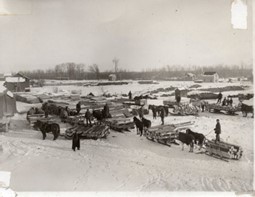
Finally, the lumber industry boomed, using the many waterways as means of hauling lumber from one point to another. The incorporation of two separate rail lines — Great Northern Railway and Canadian National Railway — eased the transportation of lumber and quickly pulled more people to Warroad.
This industry would bring George Marvin to Warroad in 1904, founding Marvin Lumbar and Cedar Company in 1912.
Through entrepreneurial foresight, George’s son Bill invested in new equipment to allow the company to diversify and create made to order windows and doors. This investment secured the future of a business that remains in family ownership and sees the fourth generation of Marvin stewardship and management.
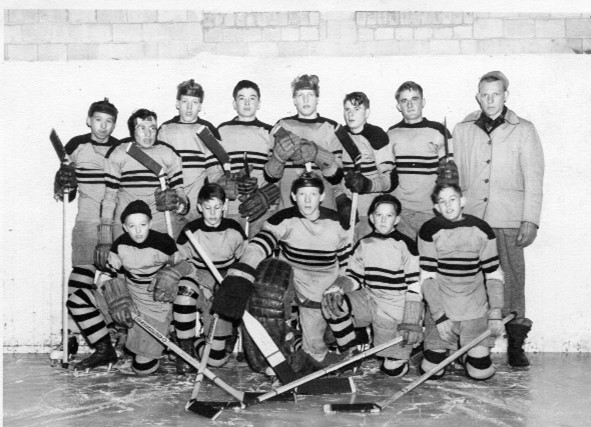
Cultural diversity runs deep in Warroad, with extensive links with the local Ojibwe community. The Ojibwe actively participates in powwows, school events, and works to maintain their heritage in the Warroad area. Warroad is also home to the largest Laotian population outside of the Twin Cities with Vietnamese and Hmong residents providing further diversity at a local level.
The rich Scandinavian population in the area finds its home in local lutefisk and lefse events, as well as the Oktoberfest that comes around in the fall. Each group adds immense value to the historical and cultural hub that is Warroad, Minnesota.